Call: (905)-561-1278
Mon–Fri: 8:30 AM – 4:30 PM
145 Highway #8
Stoney Creek ON L8G 1C1

Mon–Fri: 8:30 AM – 4:30 PM
Stoney Creek ON L8G 1C1
If you are a non-resident selling Canadian real estate or other taxable Canadian property, the purchaser may be required to withhold part of the sale price under section 116. A certificate issued before closing can allow the lawyer or notary to release sale proceeds without the purchaser holding back the full section 116 amount.
Fees generally start at CAD $2,500 per applicant
Closing soon, or already closed? Either way, timing matters — reach out now.
If you are a non-resident selling Canadian real estate or other taxable Canadian property, the purchaser may be required to withhold 25% of the gross sale price—and, for certain property, 50%—unless the transaction is adequately covered by a certificate of compliance or another applicable exception. This withholding is calculated on the gross proceeds of the sale, not on your gain. A certificate issued before closing can allow the lawyer or notary to release sale proceeds without the purchaser holding back the full section 116 amount.
Applying before your closing date is normally preferable, since it gives CRA time to review your file before funds need to change hands. If your sale has already closed, an application can still be filed, but the purchaser will typically have already withheld funds, generally released once the certificate issues. Either way, the certificate process is separate from your final Canadian tax return — it lets the transaction close cleanly, but it is not the last step in settling your actual tax liability for the year.
If your closing is approaching, time matters. The sections below explain what the certificate does, what we handle, what CRA requires, and what happens afterward — including the return you will generally still need to file.
Non-residents selling Canadian residential property — individuals abroad selling a Canadian home or condominium.
Non-residents selling commercial or rental property — where depreciation history and property classification can affect which forms apply.
Former Canadian residents disposing of Canadian property — individuals who moved abroad and kept Canadian real estate.
Corporations, trusts, estates and partnerships disposing of taxable Canadian property.
Lawyers, notaries and advisers coordinating a closing who need a CPA to manage the section 116 application directly with CRA.
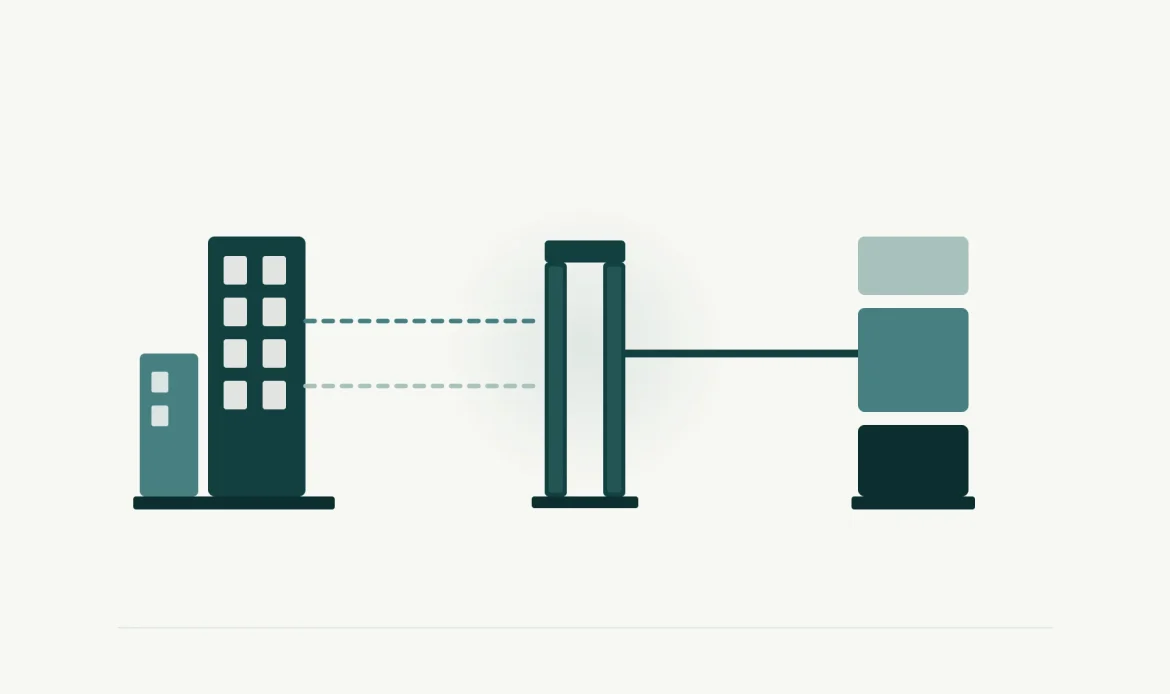
Section 116 places the compliance risk on the purchaser, not just the vendor. Without a certificate, the purchaser can become liable to remit a percentage of the purchase price to CRA on the vendor’s behalf — generally 25%, or up to 50% for certain property categories. Because that liability falls on the purchaser, purchasers and their lawyers routinely protect themselves by withholding that amount from the proceeds until a certificate is produced.
That’s why the certificate matters in practice: it’s what allows funds to be released instead of held back. The payment or security required to obtain it is a mechanism to satisfy CRA and release the transaction — not automatically the same figure as your final Canadian tax, which is settled later on your return.
Section 116 and filing-obligation assessment — confirming whether your property is taxable Canadian property and which notification path fits your timeline.
Pre-closing proposed-disposition applications — filed before your closing date, where timing allows.
Post-closing actual-disposition applications — filed within the required notification period after closing.
T2062 and T2062A form analysis and preparation — determining which form, or combination, applies to your property.
Adjusted-cost-base and gain calculations — acquisition cost, capital improvements, and adjustments CRA will review.
CRA payment or security coordination — calculating and arranging what’s required to support the certificate.
Lawyer, notary, appraiser and CRA coordination — acting as your technical point of contact throughout.
Final tax-return and refund coordination — the return generally required for the disposition year, and any resulting refund or release of security.
A pre-closing application does not guarantee the certificate will issue before your closing date — CRA’s review still has to be completed either way. Filing early simply gives that review more time before funds need to move.
T2062 — the general notification form reporting the disposition and calculating the capital gain or loss.
T2062A — applies to Canadian resource or timber resource property, Canadian real property that is not capital property, and depreciable taxable Canadian property. For depreciable property, Form T2062 generally reports the capital gain or loss, while Form T2062A addresses recapture or terminal loss; some transactions therefore require both forms.
Final Canadian tax return — the return generally required for the disposition year, which determines your actual tax liability and is where any excess payment or security is refunded or released.
Which form applies depends on the property and the facts — not every real estate sale is a simple T2062-only filing.
Requirements depend on the facts, but commonly include:
CRA processing time depends on the completeness of the application, the property, valuation issues, payment or security requirements and CRA review. Some applications may take several months. Filing early and supplying complete records may reduce avoidable delays, but no processing or closing date can be guaranteed.
We manage the application, follow up with CRA, and keep you and your legal representative informed — but CRA’s review timeline is outside any firm’s control.
Professional fees generally start at CAD $2,500 per applicant for a standard T2062 certificate application. Additional fees may apply where the transaction, ownership structure, adjusted cost base, valuation, documentation, T2062A issues, recapture, urgency or CRA correspondence makes the engagement more complex.
The engagement scope and fee are confirmed after an initial review of the transaction and available documents.
Unless specifically included, the quoted application fee does not include Canadian income-tax-return preparation, legal or notarial fees, appraisal or valuation costs, CRA tax, payment or security, or extraordinary remediation or dispute work.
The document CRA issues under section 116 confirming a non-resident vendor has met the notification and payment/security requirements for a disposition of taxable Canadian property, so the sale can close or withheld funds can be released.
Without a certificate, section 116 can make the purchaser liable to remit a percentage of the purchase price to CRA on the vendor’s behalf. Purchasers protect themselves by withholding that amount until a certificate is produced.
As early as practical before closing — CRA review takes time, and a pre-closing application gives the file the best chance of resolving before funds need to move. Applications can still be filed after closing.
A post-closing application is filed within the applicable notification period. Withheld funds are generally released once the certificate is issued.
T2062 generally reports the capital gain or loss on the disposition. T2062A applies to resource, timber, non-capital real property, and depreciable property — and for depreciable property specifically addresses recapture or terminal loss. Some dispositions require both forms together.
No. It addresses withholding and lets the transaction proceed. Your actual liability is determined separately when your return for that year is filed and assessed — which most vendors will still need to do.
There is no guaranteed timeframe. Processing depends on the completeness of the application, the property, valuation issues, and CRA’s review — some files take several months. Filing early with complete documentation is the best way to avoid unnecessary delay.
Selling Canadian property as a non-resident? Contact us as early as possible to review the closing date, property, ownership and documents required for the Section 116 application.
This page provides general information about the section 116 certificate of compliance process and does not constitute tax or legal advice. Your situation depends on the specific property, transaction, and facts involved, and Canadian tax law is complex and subject to change. Submitting an inquiry through this page does not create a professional-client relationship with Lepore & Company; engagement terms, scope, and fees are confirmed separately once we’ve reviewed your transaction.