
T106 Reporting
T106 Reporting for Non-Arm’s-Length Transactions With Non-Residents
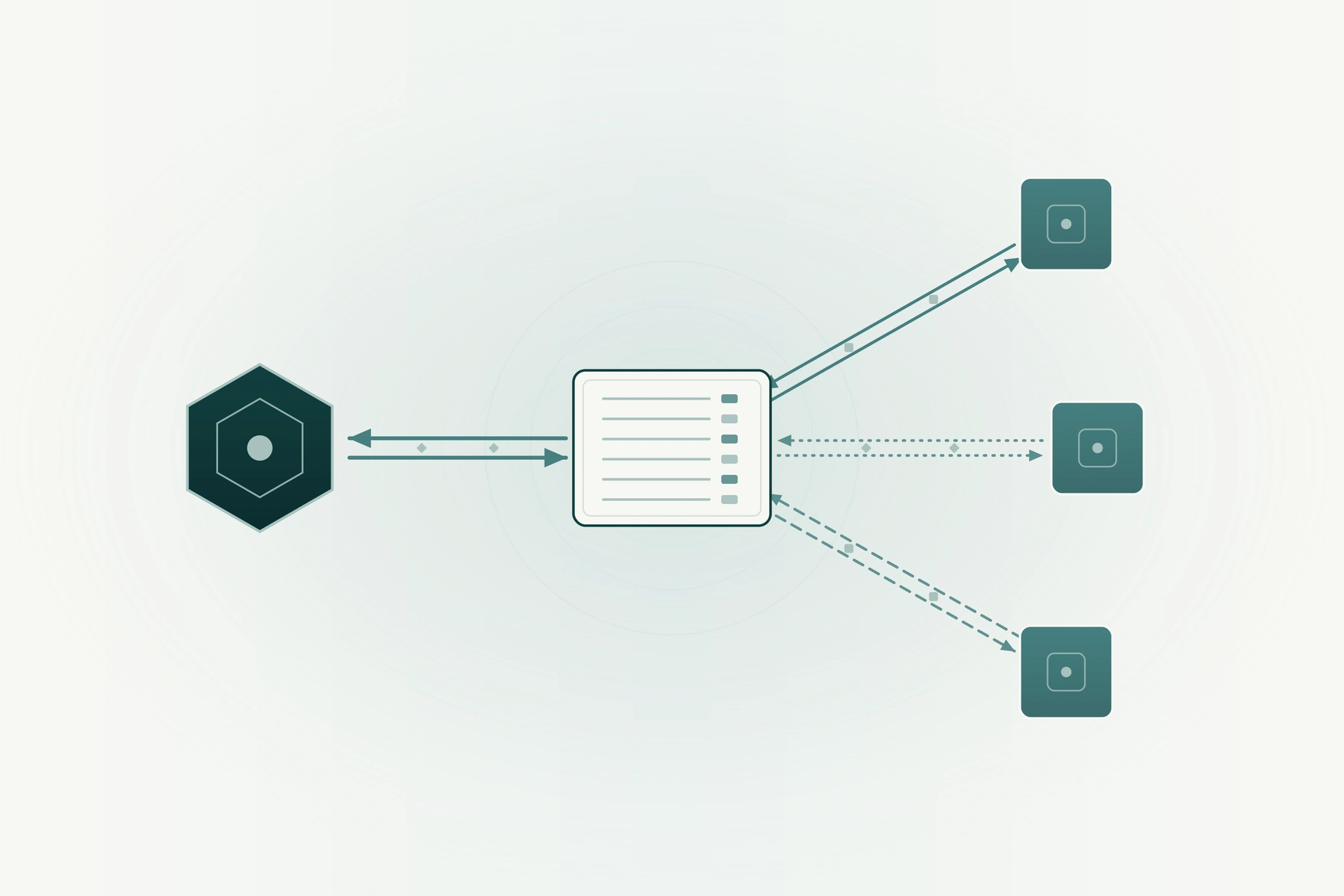
Form T106 is an information return reporting certain transactions between a Canadian reporting person or partnership and non-residents they do not deal with at arm’s length. It is filed under section 233.1 of the Income Tax Act, separately from your income tax return.
Whether it applies is not a single question. It turns on the parties, since reporting persons include non-residents carrying on business in Canada; the relationship, a legal test under the Act rather than a fixed ownership percentage; the transaction categories; and how the filing interacts with transfer pricing and withholding tax — separate regimes.
In general, filing is required where the total fair market value of property or services relating to reportable transactions with all non-arm’s-length non-residents combined exceeds CAN$1 million for the reporting period. The test applies to reportable transactions relating to a business, not to all cross-border transactions generally. The amount is aggregated across all relevant non-residents — it is not assessed separately by transaction or by counterparty.
At Lepore & Company, we work through that analysis, reconcile the data, prepare the summary and slips, and coordinate with your transfer-pricing documentation and withholding obligations.
Who We Help
Canadian corporations with foreign parents or subsidiaries
Where you transact with a related non-resident — fees, loans, goods, royalties, cost allocations — we determine what is reportable.
Foreign-owned Canadian businesses
Canadian subsidiaries of foreign groups commonly have reportable dealings with foreign parents and related companies. A non-resident carrying on business in Canada may also be a reporting person, depending on the facts.
Canadian private-company groups expanding abroad
New related-party dealings arise quickly. We identify the obligation before it becomes a late filing.
Individuals, trusts and partnerships with reportable non-resident dealings
T106 is not a corporations-only return. Each can be a reporting person or partnership.
Lawyers and accountants needing Canadian T106 or transfer-pricing support
Targeted Canadian analysis and co-counsel support.
Our T106 Services
T106 filing-obligation assessment
We assess whether you are a reporting person or partnership, whether your dealings are reportable transactions, and whether the threshold is met.
Related-party and non-arm’s-length analysis
Non-arm’s length is a legal test under the Act, not an ownership percentage. Related persons are treated as not dealing at arm’s length; unrelated parties can still fail the test on the facts.
Transaction-data collection and reconciliation
We assemble data from ledgers, agreements and trial balances and reconcile it to what the return asks for, including non-monetary and nil-consideration arrangements.
T106 summary and slip preparation
We prepare the summary and a separate slip for each non-resident.
Intercompany loans, interest and financing
Loans, advances, interest and balances owing may need to be reported under the applicable T106 categories. Financing can also raise deemed-dividend and withholding questions.
Management fees, services, royalties, rents and cost allocations
Where reporting, pricing and withholding most often collide. We review them together.
Transfer-pricing documentation coordination
The slip asks whether you have contemporaneous documentation under subsection 247(4). We keep that answer, the record and the filing consistent.
Late, incomplete or amended filings and CRA support
Amending a T106 means re-filing the complete package, not a correction. Where filings were missed, we assess the routes available.
Common Reportable Transactions
A reportable transaction must relate to a business, so not every cross-border dealing with a related non-resident is reportable. These commonly arise:
- Intercompany loans and advances
- Interest income or expense
- Management and administrative fees
- Technical, engineering and professional services
- Royalties and licence or franchise fees
- Rent and lease payments
- Inventory and other tangible-property purchases and sales
- Transfers of intangible property or rights
- Reimbursements of expenses and cost-sharing arrangements
- Guarantee and similar fees, depending on characterisation
- Indebtedness balances, investments, capital contributions and other equity-related dealings that must be reviewed under the applicable T106 reporting categories
Non-monetary consideration — barter, swaps, discounts — and anything provided for nil consideration must also be addressed.
T106 and Transfer Pricing Are Related but Different
T106 is an information return. It reports what happened between you and a related non-resident.
Section 247 is the transfer-pricing regime. It applies where a transaction or series with a non-arm’s-length non-resident includes actual conditions different from arm’s length conditions, and adjusts amounts to what would have applied at arm’s length.
Filing T106 does not itself prove that your prices are arm’s length. It records amounts and asks which method was used. It does not test the pricing.
Transfer-pricing documentation is a separate compliance and evidentiary issue. Under subsection 247(4), a taxpayer is deemed not to have made reasonable efforts unless contemporaneous documentation is prepared by the documentation-due date and provided to the Minister on request. That documentation — not the T106 — supports a reasonable-efforts position.
You can have a T106 obligation with no transfer-pricing adjustment at all. The two are triggered by different things.
Reporting should be consistent with your agreements, ledgers, tax returns and documentation. Where those disagree, it shows on the face of the return.
T106, T1134 and Withholding Tax Are Different
T106
What it reports
Certain transactions with non-arm’s-length non-residents.
T1134
What it reports
Interests in foreign affiliates and controlled foreign affiliates.
Withholding-tax filings
What they report
Canadian withholding on specified payments and services performed in Canada.
Multiple obligations can apply to the same relationship. The T106 slip asks whether the non-resident is a foreign affiliate or controlled foreign affiliate, and the summary asks whether withholding-related returns are required. Filing one does not satisfy another. Each has a separate legal purpose, and each is assessed on its own.
Common Situations
- A Canadian subsidiary pays management fees to a foreign parent The fee may be reportable, the pricing may attract transfer-pricing scrutiny, and the payment may raise a withholding question. Three analyses, one transaction.
- A Canadian corporation borrows from or lends to a related non-resident Interest and balances owing may need to be reported, and separate shareholder-debt or withholding issues may also arise.
- A Canadian company pays royalties to a related non-resident A reportable category and a common withholding item. Treaty relief has its own conditions.
- Related companies share payroll, technology or administrative costs Cost allocations and reimbursements are easy to overlook — they do not look like sales.
- A Canadian company buys or sells goods with a related non-resident Where reportable, inventory purchases and sales are generally disclosed by direction, together with the applicable transfer-pricing method.
- Prior-year T106 filings may have been missed We review the filing history and assess whether voluntary disclosure, taxpayer relief, amended filings or another approach may be available, taking into account whether CRA has already made contact.
- CRA requests agreements, ledgers or transfer-pricing support These run on their own timeline. We prepare the response, consistent with what was filed.
How T106 Interacts With Withholding Tax and Treaties
Reporting a transaction on T106 does not determine its withholding-tax treatment — the two questions are decided under different rules.
Payments such as interest, royalties, rents and certain fees may require a separate withholding analysis. Treaty relief depends on the type of payment, residence, beneficial ownership and other conditions — it is not automatic because a treaty exists.
Where services are performed in Canada a separate withholding obligation can arise. Where the arrangement is employment rather than independent services, separate Canadian payroll and Regulation 102 considerations may arise. Worker status and the applicable withholding regime must be determined from the facts. The T106 summary asks whether returns of that kind are required.
These analyses should be coordinated, not conflated.
Related International Tax Services
Frequently Asked Questions
What is Form T106?
An information return under section 233.1 of the Income Tax Act, reporting certain transactions with non-arm’s-length non-residents, filed separately from your income tax return.
Who is considered non-arm’s length?
A legal test under the Act, not an ownership percentage. Related persons are treated as not dealing at arm’s length; unrelated parties may still fail it on the facts.
What types of transactions may need to be reported?
It must relate to a business. Common categories include goods, services, management fees, royalties, rents, interest and loans, reimbursements, cost allocations, balances owing and certain investments.
Is T106 the same as transfer-pricing documentation?
No. T106 is an information return. Transfer-pricing documentation is a separate record under subsection 247(4) supporting a reasonable-efforts position on pricing. The slip asks whether you have it — which tells you they differ.
Can both T106 and T1134 apply?
Yes. They report different things, are assessed separately, and one relationship can give rise to both. T1134 is where the affiliate itself is reported.
What happens if a T106 filing was missed?
Missed or inaccurate filings can attract penalties, and exposure depends on the circumstances. We assess whether voluntary disclosure, taxpayer relief, amended filings or another approach may be available, taking into account whether CRA has already made contact. Relief is case by case and is not guaranteed.
Cross-border related-party transactions?
T106 reporting depends on your relationships, transaction data and agreements. Review all three before filing, or before responding to CRA.
Contact us for a confidential review of your cross-border related-party transactions
This page provides general information about T106 reporting and does not constitute tax or legal advice. Your situation depends on specific facts, and tax law is complex and subject to change. Consult a qualified tax professional before filing or responding to a CRA inquiry.